
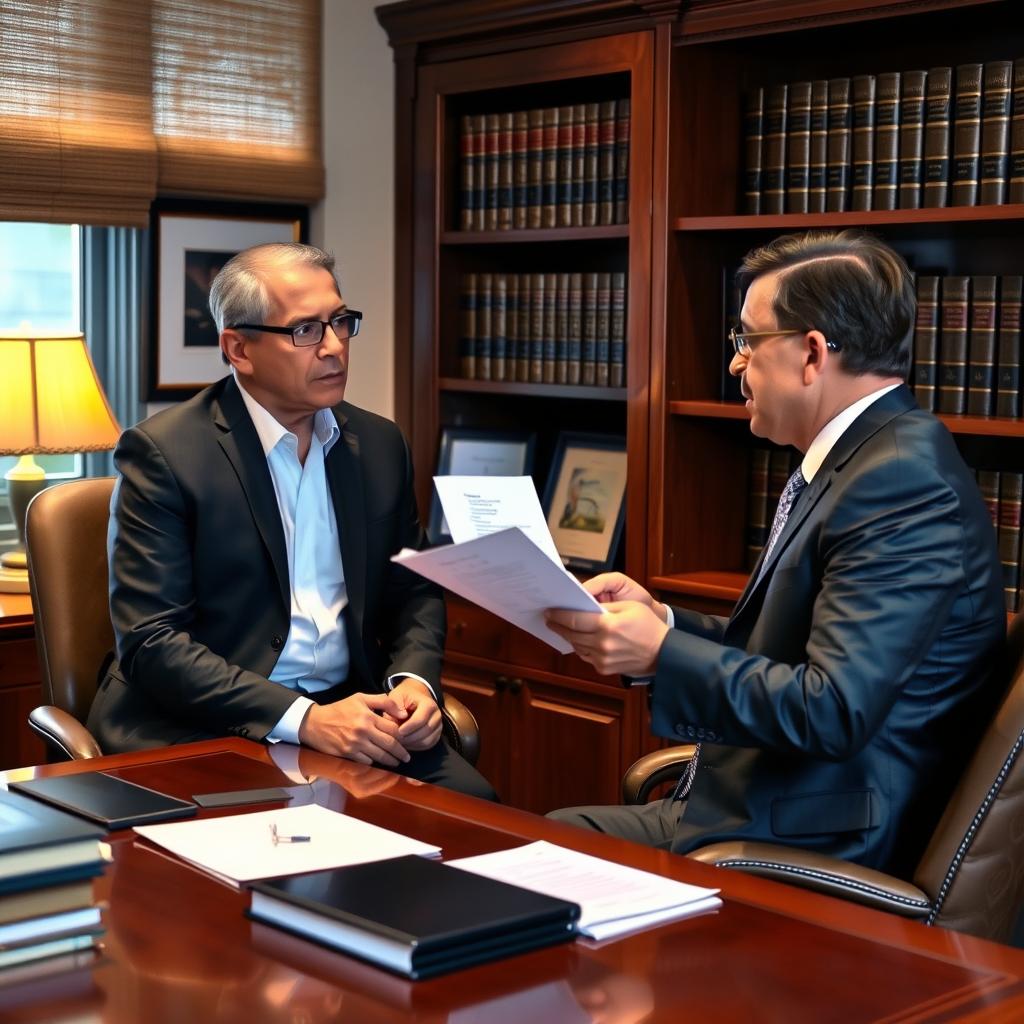
Breath Test Refusal Lawyer Petworth, DC
If you refused a breath test during a traffic stop in Petworth, you may be facing license consequences and a separate administrative case in addition to any criminal DUI charge. Washington, D.C., enforces an implied consent law meaning that by driving on District roads you have already agreed to submit to chemical testing when an officer has reasonable grounds to request it. A refusal triggers an automatic administrative license suspension proceeding and can be used as evidence against you in a later DUI prosecution at DC Superior Court. Law Offices Of SRIS, P.C. represents drivers in Petworth and throughout the District in both the administrative DMV hearing and the criminal traffic matter. Reach our location at (888) 437-7747 to discuss your situation. Law Offices Of SRIS, P.C. – Advocacy Without Borders.
Understanding a Breath Test Refusal in the District of Columbia
The District’s implied consent framework applies to anyone operating a motor vehicle on D.C. Roadways, including Petworth’s corridors such as Georgia Avenue, New Hampshire Avenue, and the smaller residential streets that connect the neighborhood. When a Metropolitan Police Department officer stops a driver on suspicion of impairment and requests a chemical breath test, the driver’s refusal—whether verbal or by failing to cooperate—initiates a two-track process. First, the D.C. Department of Motor Vehicles can suspend the driver’s license or driving privileges for a period determined by statute and the driver’s prior record. Second, the refusal may be introduced in D.C. Superior Court as evidence in a subsequent DUI case. Because these proceedings follow different timelines and burdens, it is important to address both promptly.
In Petworth, many drivers are unfamiliar with the administrative side of a breath test refusal. The DMV adjudication is a civil proceeding, not a criminal one, and is handled separately from the court case. The DMV notice typically requires a timely request for a hearing—often within a short window—to contest the suspension. If a hearing is not requested, the suspension becomes final. Mr. Sris and his Of Counsel team can help you understand the deadlines, prepare for the hearing, and challenge the evidence against you, including whether the officer had reasonable grounds for the stop and whether you were properly advised of the consequences of refusal.
How the Breath Test Refusal Process Works in D.C.
When an officer reports a refusal at the station, the driver is issued an official notice of proposed suspension. The DMV Adjudication Services, located at 301 C Street NW, handles the administrative hearing. At this hearing, the hearing examiner reviews whether the officer had probable cause to stop the driver, whether the driver was placed under arrest for an alcohol-related offense, and whether the driver knowingly refused the test after being informed of the consequences. These elements are factual rather than legal, and the hearing examiner applies the preponderance-of-evidence standard.
Simultaneously, if the driver is also charged with DUI under D.C. Law, that criminal case proceeds in D.C. Superior Court at 500 Indiana Avenue NW. In the criminal case, the prosecution may present the breath test refusal as evidence of consciousness of guilt, though a qualified attorney can argue for limiting instructions or challenge the inference. Because Petworth is within the District, all traffic and criminal matters are handled by these central D.C. Agencies and courts. Mr. Sris and his Of Counsel handle both the DMV hearing and the Superior Court appearance, coordinating the strategies so that a decision in one forum does not inadvertently harm the position in the other.
Frequently Asked Questions
What happens if I refuse a breath test in Washington, D.C.?
Refusing a breath test in D.C. Results in an automatic administrative license suspension proceeding and can be used as evidence in a DUI prosecution. The DMV issues a notice of proposed suspension, and the driver has a limited time to request a hearing. If the hearing examiner finds the officer had probable cause, placed the driver under arrest for an alcohol-related offense, and the driver knowingly refused, the suspension will be imposed. The length of the suspension depends on the driver’s record. In any subsequent DUI case, the refusal may be introduced at trial.
Can I fight a DMV suspension for a breath test refusal?
Yes, the DMV suspension for a breath test refusal in D.C. Can be challenged at an administrative hearing. A lawyer can examine whether the officer had reasonable suspicion to stop the vehicle, whether the arrest was lawful, whether the driver was fully and correctly advised of the consequences of refusal, and whether the refusal was actually knowing. Procedural errors in the paperwork or the advice-of-rights form can sometimes lead to the suspension being set aside. A prompt request for a hearing is critical because missing the window typically results in an automatic suspension.
Do I need a lawyer for a breath test refusal in Petworth, DC?
You are not required to have a lawyer, but legal representation is strongly advisable given the dual administrative and criminal consequences of a breath test refusal. The DMV hearing has procedural rules that differ from court proceedings, and a person unfamiliar with those rules may waive important defenses. In the criminal DUI case, the refusal can be a significant piece of evidence. An experienced traffic attorney can evaluate the entire situation, work to protect your driving privileges, and build a well-prepared defense in court.
What are the consequences of a breath test refusal in D.C.?
A breath test refusal in D.C. Can lead to a driver’s license suspension, the use of the refusal as adverse evidence in a DUI prosecution, and potential ignition interlock requirements. The DMV suspension period varies based on prior offenses. A refusal may also affect the resolution of the criminal DUI charge, as prosecutors often view a refusal unfavorably. Beyond the immediate suspension, a refusal on a driving record may affect employment that requires a commercial driver’s license or a clean driving history. Early legal guidance can help identify options.
How does D.C.’s implied consent law apply in Petworth?
D.C. Law treats driving on District roads, including Petworth, as implied consent to submit to a chemical test if an officer has reasonable grounds to suspect impairment. This means that by simply driving, you have already agreed to the test; refusal is a separate violation. Petworth falls within the jurisdiction of the Metropolitan Police Department, and any stop on neighborhood streets like Upshur Street or Sherman Avenue is subject to this implied consent rule. The officer must usually advise the driver of the consequences of refusal; failure to do so can be a defense at the hearing.
Can a breath test refusal be used against me in court?
Yes, the prosecution in a DUI case may introduce a breath test refusal as evidence of consciousness of guilt, though the defense can challenge its weight and relevance. In D.C., a refusal is considered by the factfinder—judge or jury—as one piece of the overall evidence. However, the refusal alone is not proof of intoxication. A knowledgeable attorney can request that the court limit how the jury may use the evidence and can emphasize that many factors, such as confusion or medical conditions, can motivate a refusal. The defense can also cross-examine the officer on the adequacy of the advice-of-rights given.
What is the difference between an administrative hearing and a criminal trial for a breath test refusal?
The DMV administrative hearing addresses the license suspension only, using a civil preponderance-of-evidence standard, while the criminal DUI trial at DC Superior Court determines guilt or innocence beyond a reasonable doubt. The two proceedings are independent. A driver can lose the DMV hearing and still be acquitted in criminal court, or vice versa. The evidence and testimony in each can affect the other, so coordinating a defense across both tracks is a prudent approach. The procedural rules, discovery obligations, and deadlines differ between the DMV and Superior Court.
How long do I have to request a DMV hearing after a breath test refusal in D.C.?
The D.C. DMV generally allows a very short window—often within ten calendar days—from the date of the refusal notice to request an administrative hearing. Missing that deadline results in an automatic license suspension without the opportunity for a hearing. The exact deadline is stated on the notice the officer provides. Even if you are past the deadline, it is worth speaking with an attorney because limited exceptions may apply, but prompt action is always the better course.
What defenses are available for a breath test refusal in the District?
Defenses in a breath test refusal case include lack of probable cause for the stop, failure to properly advise the driver of the consequences, and medical or physical conditions that prevented a meaningful refusal. Additionally, if the officer did not articulate reasonable suspicion for the initial stop, the refusal itself may not be admissible. A lawyer can also examine whether the officer followed the correct statutory procedure in asking for the test, including whether the driver was in fact under arrest for an alcohol-related offense. Beyond procedural challenges, the circumstances of the stop may provide grounds for negotiation in both the DMV and court settings.
Will a breath test refusal affect my insurance rates?
A breath test refusal in D.C. Can lead to higher insurance premiums because the DMV suspension or DUI conviction may be reported to your insurer. Insurance companies assess risk based on driving records, and a refusal or related suspension often categorizes the driver as high risk. The impact depends on the insurance carrier’s own underwriting guidelines. Even if the criminal charge is resolved favorably, the administrative suspension may remain on the driving record. An attorney can explain possible steps to mitigate the long-term insurance effects, including exploring restricted driving privileges during the suspension period.
How can Law Offices Of SRIS, P.C. assist with a breath test refusal in Petworth?
Mr. Sris and his Of Counsel team handle the DMV administrative hearing and the criminal DUI case, coordinating both to protect your driving privileges and build a well-prepared defense. Our firm has practiced in D.C. Traffic matters since 1997 and has extensive experience before the D.C. Superior Court and DMV Adjudication Services. We examine the officer’s probable cause, the protocol of the stop, and the advice-of-rights procedure, and we pursue the most favorable resolution possible under the facts of your case. Contact us at (888) 437-7747 to schedule a consultation.
About Mr. Sris and His Of Counsel Team
Mr. Sris, Owner and Founder of Law Offices Of SRIS, P.C., is a former prosecutor with experience in criminal trial work. He founded the firm in 1997 and is admitted to practice in Virginia, Maryland, the District of Columbia, New Jersey, and New York. Mr. Sris and his Of Counsel bring over 120 years of combined legal experience and have handled 4,739+ documented firm-wide results. Results may vary. The team includes attorneys familiar with traffic hearings and DUI defense across the District. We handle the two-track administrative and court process for drivers in Petworth, appearing at the DMV and at DC Superior Court to address breath test refusal cases.
Our Arlington office is located at 1655 Fort Myer Dr, Suite 700, Room 719, Arlington, VA 22209, approximately 4 miles from Petworth, DC, across the Potomac River. We serve clients in the District of Columbia from this Arlington location.
Washington, D.C. Traffic defense | Georgetown traffic lawyer | Spring Valley traffic lawyer
Attorney advertising. Prior results do not guarantee a similar outcome.
Results may vary.
Case results depend on a variety of factors unique to each case.