
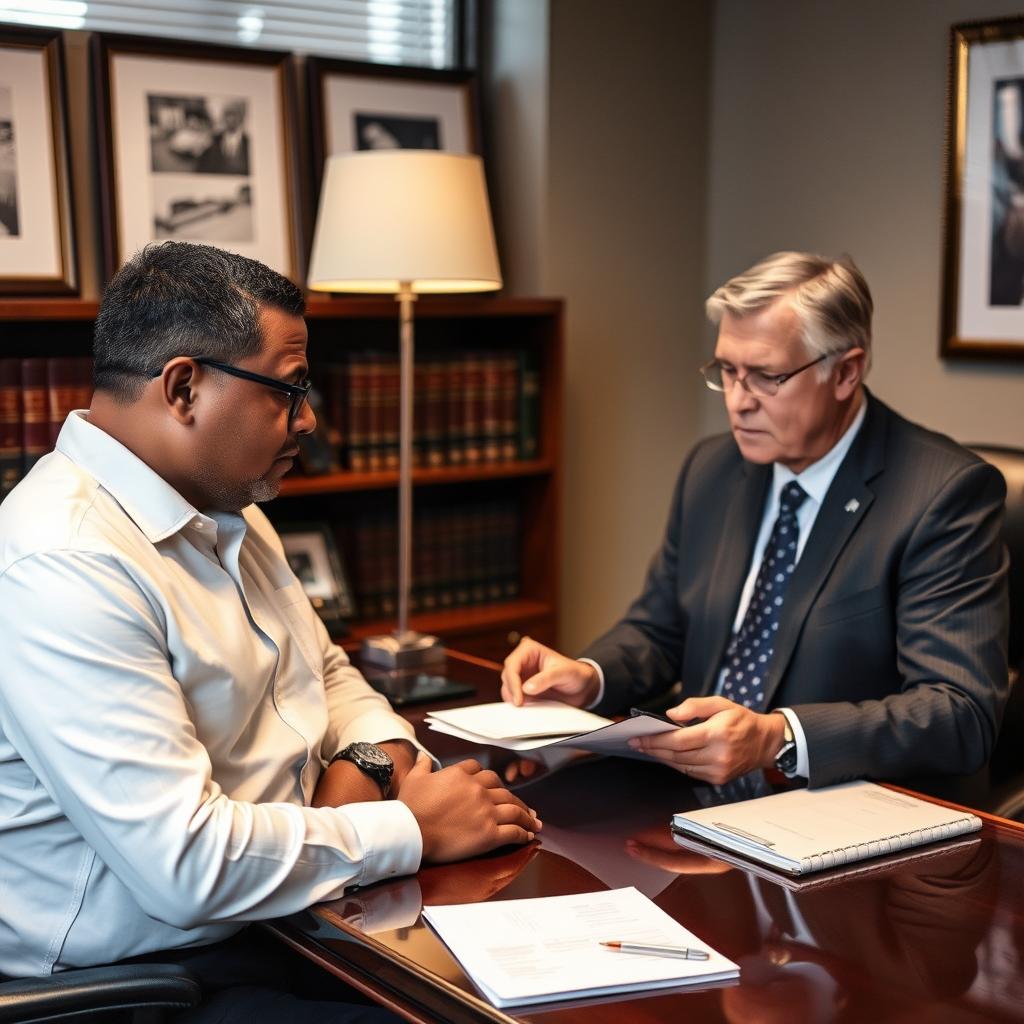
Leaving the Scene Lawyer Capitol Hill, DC
You are driving through Capitol Hill on your way home from Eastern Market when a sudden stop in traffic leads to a minor rear-end collision. In the confusion, you pull over briefly, but when the other driver begins shouting, you panic and drive away. Hours later, you learn that leaving the scene of an accident is a criminal traffic offense in the District of Columbia—and that a charge could mean court appearances, a criminal record, and severe consequences for your license and insurance. What you need now is a clear understanding of your situation and a defense team that knows the DC court system.
At Law Offices Of SRIS, P.C., our team concentrates on defending traffic matters in Washington, D.C., including leaving-the-scene allegations arising in Capitol Hill and throughout the District. Mr. Sris and his Of Counsel have handled traffic cases in the DC Superior Court for years, and our Arlington, Virginia, location allows us to serve DC clients conveniently. If you are facing a leaving-the-scene charge, contact us at (888) 437-7747 to request a consultation.
What a Leaving-the-Scene Charge Means in Capitol Hill
Leaving the scene of an accident—sometimes referred to as “hit and run”—is a serious traffic offense under the motor-vehicle laws of the District of Columbia. Unlike a routine civil infraction that might be resolved with a ticket, a leaving-the-scene charge can expose a driver to criminal penalties, including the possibility of incarceration, probation, and a permanent mark on one’s driving record. The offense typically arises after a collision on a Capitol Hill street such as Pennsylvania Avenue, Massachusetts Avenue, or a residential block in the neighborhood—where a driver is alleged to have left the scene without stopping, identifying themselves, or rendering reasonable assistance.
The District handles traffic prosecutions at the DC Superior Court, located at 500 Indiana Avenue NW, just a short distance from the U.S. Capitol and Judiciary Square. Cases from Capitol Hill—encompassing the residential and commercial areas near Eastern Market, Lincoln Park, Stanton Park, and Barracks Row—are heard by judges who are familiar with the unique traffic conditions of the District. Our firm, through its Arlington location less than 4.5 miles from the courthouse, appears regularly in the DC Superior Court and understands the procedural expectations of the court and the Office of the Attorney General, which prosecutes most traffic offenses in the District. Having local familiarity can help you navigate the process, from the initial status hearing to any potential negotiations or trial.
Because leaving the scene is not a simple parking ticket, the court takes these matters seriously. A conviction can trigger DMV points, mandatory suspension of your driver’s license, and increased insurance premiums. Moreover, the court may impose conditions such as community service or driver-improvement programs. Mr. Sris and his Of Counsel work to identify weaknesses in the prosecution’s case—such as questions about the driver’s identity, the sufficiency of the evidence that you knowingly left the scene, or the nature of the alleged accident—and present those issues effectively to the judge or prosecutor.
How Mr. Sris and His Of Counsel Approach Leaving-the-Scene Cases
Our team’s approach to a leaving-the-scene charge begins with a careful review of the police report, witness statements, and any available video or photographic evidence. In many Capitol Hill cases, surveillance cameras from businesses or residential doorbell systems may capture the incident, and we evaluate whether that evidence supports the charge or instead points to a different sequence of events. We also examine whether law enforcement followed proper procedures during any investigation or arrest, as procedural missteps can affect the admissibility of evidence or even the viability of the charge.
A leaving-the-scene allegation often involves nuanced questions: Was the driver aware that a collision had occurred? Did the driver stop or attempt to stop but then leave due to a reasonable fear? Was property damage or injury actually sustained? The factual record matters, and our team brings years of traffic-defense experience to building a thorough defense. In many instances, we are able to negotiate with the prosecutor for a reduction of the charge—perhaps to a less serious moving violation that avoids criminal consequences—or to secure an outright dismissal. Where a favorable resolution is not possible outside of trial, Mr. Sris and his Of Counsel are prepared to take the case to court and advocate vigorously on your behalf. Throughout the process, we keep you informed of your options so you can make confident decisions about your defense.
Because leaving-the-scene matters are handled in the DC Superior Court and can have far-reaching effects, we encourage anyone facing such a charge to reach out to our firm at (888) 437-7747 as early as possible. Early intervention allows time to gather evidence, secure witness statements, and develop a strategy before the first court appearance.
About Mr. Sris and His Of Counsel Team
Mr. Sris, Owner and Founder of Law Offices Of SRIS, P.C., is a former prosecutor who has practiced law since 1997. He is admitted to the bars of Virginia, Maryland, the District of Columbia, New Jersey, and New York, and he manages the firm’s traffic-defense practice across all five jurisdictions. Mr. Sris testified before the Virginia House Courts of Justice Committee in support of 2019 HB 635 (chief patron Del. David Bulova), reflecting a commitment to legal-system improvement that informs the firm’s client-centered approach.
Mr. Sris is supported by a team of Of Counsel attorneys, each of whom brings over a decade of litigation experience to the firm’s traffic cases in the District. Together, Mr. Sris and his Of Counsel bring over 120 years of combined legal experience, supported by 4,739+ documented firm-wide results. Results may vary. Our collective background includes extensive courtroom appearances in the DC Superior Court, where we have represented drivers charged with a range of traffic offenses, from speeding and reckless driving to hit-and-run and leaving the scene. We understand that every case is unique, and we tailor our strategy to the specific facts and the objectives of each client.
Frequently Asked Questions
Is leaving the scene a crime in Washington, D.C.?
Yes, leaving the scene of an accident is a criminal offense under District of Columbia motor-vehicle law. Depending on the circumstances—such as whether property damage or personal injury occurred—the charge may be classified as a misdemeanor carrying potential incarceration, fines, probation, and a criminal record. The offense is prosecuted in the DC Superior Court, not as a civil infraction at the DMV. An experienced traffic attorney can help you understand the specific charge and possible defenses.
What are the penalties for a leaving-the-scene conviction in DC?
Penalties for leaving the scene can include jail time, substantial fines, license suspension, and points on your driving record. The exact consequences depend on whether the accident involved only property damage or resulted in bodily injury, as well as any prior traffic record. The court also has discretion to impose probation, community service, and mandatory driver-improvement classes. Because each case is unique, you should discuss the potential exposure with your lawyer as soon as possible.
Do I need a lawyer for a leaving-the-scene charge in Capitol Hill?
While you have the right to represent yourself, the criminal consequences and procedural complexities make it wise to have an experienced traffic lawyer. A lawyer can challenge the evidence, negotiate with the prosecutor, and present mitigating factors to the judge. Without legal guidance, you risk accepting an outcome that could have been reduced or dismissed. Mr. Sris and his Of Counsel offer representation in the DC Superior Court and can advise you on the trusted course of action based on the facts of your case.
How long does a leaving-the-scene case take in DC?
The timeline varies depending on the court’s calendar, the complexity of the evidence, and whether a trial is necessary. Many leaving-the-scene cases are resolved in weeks or a few months through negotiation or a guilty plea, but a contested matter may take longer. Your attorney can provide a better estimate once the initial discovery is complete and a status hearing date is set. Call (888) 437-7747 to schedule a consultation and begin building your defense.
What defenses are available for a leaving-the-scene charge?
Common defenses include lack of knowledge of the accident, reasonable fear for personal safety that justified departure, insufficient evidence of identity, and procedural violations during the stop or investigation. If the driver was unaware that a collision occurred, or if leaving was necessary to seek safety, these facts may defeat the charge. Mr. Sris and his Of Counsel examine the police report, witness accounts, and any camera footage to identify weaknesses in the prosecution’s case that could lead to a dismissal or reduction.
Can a leaving-the-scene charge be dropped in DC?
Yes, a charge may be dismissed or reduced if the evidence is weak, your constitutional rights were violated, or the prosecutor agrees to an alternative disposition. While past results do not guarantee a similar outcome, an attorney experienced in DC traffic court can present arguments and evidence that improve the likelihood of a favorable resolution. To explore whether your charge might be eligible for dismissal, contact Law Offices Of SRIS, P.C. at (888) 437-7747.
For additional official information about traffic laws and court procedures in the District of Columbia, visit the following primary sources: DC Official Code • DC Superior Court
Attorney advertising. Prior results do not guarantee a similar outcome. Results may vary.
Case results depend on a variety of factors unique to each case.