
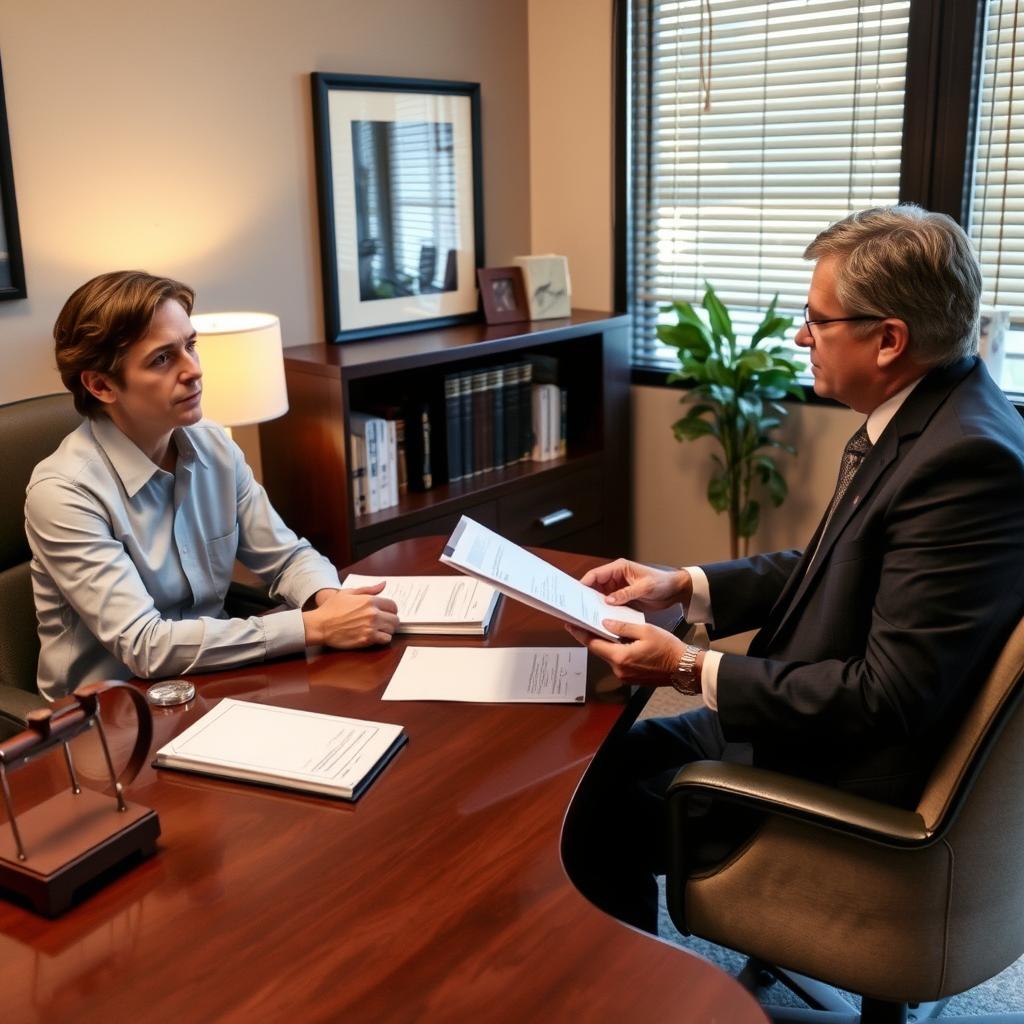
Refusal Hearing Lawyer Woodley Park
If you refused a breath test in Woodley Park, you need a Refusal Hearing Lawyer Woodley Park immediately. The DC Department of Motor Vehicles will suspend your license for 12 months. Law Offices Of SRIS, P.C. —Advocacy Without Borders. can contest this at a DC DMV refusal hearing. You have only 10 days to request this hearing. A Refusal Hearing Lawyer Woodley Park from SRIS, P.C. knows the local DMV procedures. (Confirmed by SRIS, P.C.)
DC’s Implied Consent Law and Refusal Penalties
DC Code § 50–1902 — Civil Infraction — 12-Month License Revocation. Refusing a chemical test in the District triggers an automatic 12-month license revocation by the DC DMV. This is a separate civil action from any criminal DUI case. The revocation is mandatory if you lose the administrative hearing. You face this penalty simply for refusing the test, regardless of a DUI conviction. The law presumes you consented to testing by driving on DC roads. A Refusal Hearing Lawyer Woodley Park fights this presumption at the DMV.
What is the implied consent law in DC?
DC’s implied consent law is found in DC Code § 50–1901. It states that driving is deemed consent to chemical testing. This law applies to breath, blood, or urine tests. Police must have reasonable grounds to believe you were driving under the influence. They must also inform you of the consequences of refusal. A breathalyzer refusal defense lawyer Woodley Park challenges the validity of this warning.
Is a refusal a criminal charge in DC?
No, the refusal itself is not a criminal charge in the District of Columbia. It is a civil administrative action handled by the DC DMV. However, you can still face separate criminal DUI charges under DC Code § 50–2206.11. The refusal evidence can be used against you in that criminal case. An implied consent law violation lawyer Woodley Park handles both proceedings.
What happens at a DC DMV refusal hearing?
A DC DMV refusal hearing is a formal administrative proceeding. The hearing examiner reviews the police officer’s sworn report. Your attorney can cross-examine the officer and present evidence. The standard is whether the officer had reasonable grounds and properly advised you. Winning requires showing a flaw in the police procedure. You need a skilled refusal hearing attorney for this technical fight.
The Insider Procedural Edge for Woodley Park Cases
DC DMV Adjudication Services, 301 C Street NW, Washington, DC 20001. All refusal hearings for Woodley Park arrests are held at the DC DMV headquarters. The hearing request must be postmarked or submitted within 10 calendar days of your arrest. Missing this deadline forfeits your right to a hearing. The current filing fee for a hearing request is $50. Procedural specifics for Woodley Park are reviewed during a Consultation by appointment at our Washington, D.C. Location.
How long does the DC DMV hearing process take?
A DC DMV refusal hearing is typically scheduled within 30 to 60 days. The hearing itself usually lasts less than one hour. The hearing examiner may issue a verbal decision at the end. A written confirmation of the decision is mailed within 10 business days. If you lose, your license revocation begins immediately. A timely defense by a Woodley Park DUI lawyer is critical.
The legal process in woodley park follows specific procedural requirements that affect case timelines and outcomes. Courts in this jurisdiction apply local rules that may differ from neighboring areas. An attorney familiar with woodley park court procedures can identify procedural advantages relevant to your situation.
Can I get a restricted license after a refusal in DC?
No, DC does not issue restricted licenses for refusal revocations. The 12-month revocation is a complete ban on all driving privileges. This includes driving for work, medical appointments, or education. There are no hardship exceptions under DC DMV regulations. This makes winning the hearing your only option to drive. A breath test refusal attorney can pursue every legal argument.
Penalties & Defense Strategies for DC Refusals
The most common penalty is a 12-month driver’s license revocation. The table below outlines the specific consequences you face.
Virginia law establishes specific statutory frameworks that govern these matters. Each case involves unique factual circumstances that require careful legal analysis. SRIS, P.C. attorneys evaluate every relevant factor when developing case strategy for clients in woodley park.
| Offense | Penalty | Notes |
|---|---|---|
| First Refusal | 12-Month License Revocation | Mandatory, no restricted license. |
| Refusal with Prior DUI | 12-Month Revocation + Ignition Interlock | Required upon license reinstatement. |
| Failure to Request Hearing | Automatic 12-Month Revocation | Begins on the 11th day after arrest. |
| Refusal with CDL | 1-Year Disqualification | Commercial driving privileges are lost. |
[Insider Insight] DC hearing examiners heavily rely on the officer’s sworn Report of Refusal (Form PD-77). Prosecutors at the DC Attorney General’s Location use a refusal to argue consciousness of guilt in the criminal DUI case. Challenging the officer’s reasonable grounds for the stop is a primary defense strategy for a refusal hearing lawyer in Woodley Park.
What are the long-term costs of a refusal?
A refusal revocation stays on your DC driving record for 10 years. Insurance companies will classify you as a high-risk driver. Expect your auto insurance premiums to triple or more. You may also face higher rates for life insurance. Some employers will not hire you for driving-related jobs. A Woodley Park license suspension lawyer can work to mitigate these impacts.
Can I fight a refusal if the officer didn’t read my rights?
Yes, this is a common and powerful defense. The officer must read the “Implied Consent Notice” verbatim. Any deviation from the required language can invalidate the refusal. The notice must clearly state the 12-month revocation penalty. If the warning was confusing or incomplete, the refusal may be thrown out. An experienced DC implied consent attorney will scrutinize this.
Court procedures in woodley park require proper documentation and adherence to filing deadlines. Missing a deadline or submitting incomplete filings can negatively impact case outcomes. Working with an attorney who handles cases in woodley park courts regularly ensures that procedural requirements are met correctly and on time.
Why Hire SRIS, P.C. for Your Refusal Hearing
Our lead attorney for DC refusal cases is a former prosecutor with over 15 years of DMV hearing experience. He knows the exact arguments that resonate with DC hearing examiners.
Attorney Profile: Our lead DC refusal hearing attorney has handled over 200 administrative license cases. He is a member of the DC Bar and the National College for DUI Defense. He focuses on the technical procedural errors that lead to case dismissals at the DMV level.
The timeline for resolving legal matters in woodley park depends on multiple factors including case type, court scheduling, and the positions of all parties involved. SRIS, P.C. keeps clients informed throughout the process and works to move cases forward as efficiently as possible.
SRIS, P.C. has a dedicated legal team for DC Department of Motor Vehicles hearings. We prepare a specific defense strategy for each Woodley Park case. We obtain and review all police reports and body-worn camera footage immediately. Our goal is to identify flaws in the arrest procedure before the hearing. We provide aggressive criminal defense representation for any related DUI charges.
Localized FAQs for Woodley Park Refusal Hearings
How many days do I have to request a refusal hearing in DC?
You have 10 calendar days from the date of your arrest to request a hearing. The request must be received or postmarked by the DC DMV within this period. Day one is the day after your arrest. Weekends and holidays count towards the 10 days.
Where is the DC DMV hearing Location for Woodley Park cases?
The DC DMV Adjudication Services Location is at 301 C Street NW, Washington, DC 20001. This is the only location for all refusal hearings in the District. It is near the Judiciary Square metro station. Our Washington, D.C. Location is familiar with this venue.
What evidence is used at a DC refusal hearing?
The primary evidence is the officer’s sworn Report of Refusal (PD-77). The hearing examiner may also consider the arrest report and body-camera video. Your attorney can submit evidence challenging the officer’s reasonable grounds. Testimony from you or witnesses may also be presented.
Financial implications are often a significant concern in legal proceedings. Virginia courts consider relevant financial factors when making determinations. Proper preparation of financial documentation strengthens your position and supports favorable outcomes in woodley park courts.
Can I appeal a lost DC DMV refusal hearing?
Yes, you can appeal to the DC Location of Administrative Hearings (OAH). You must file a petition for review within 30 days of the DMV’s final order. The appeal is a new hearing on the record. Having an attorney from the start strengthens your appeal position.
Does a refusal affect my out-of-state driver’s license?
Yes, through the Driver License Compact (DLC). DC will report the refusal action to your home state’s DMV. Your home state will likely impose its own suspension or take other action. This is true even for Maryland or Virginia licenses. You need a lawyer who understands interstate consequences.
Proximity, CTA & Disclaimer
Our Washington, D.C. Location serves clients in Woodley Park. We are strategically positioned to handle cases at the DC DMV and DC Superior Court. Consultation by appointment. Call 703-636-5417. 24/7.
Law Offices Of SRIS, P.C.—Advocacy Without Borders.
Washington, D.C. Location
Phone: 703-636-5417
If you are facing a refusal hearing, contact our experienced legal team immediately. We also provide DUI defense in Virginia for related matters. Do not delay in protecting your driving privileges.
Past results do not predict future outcomes.