
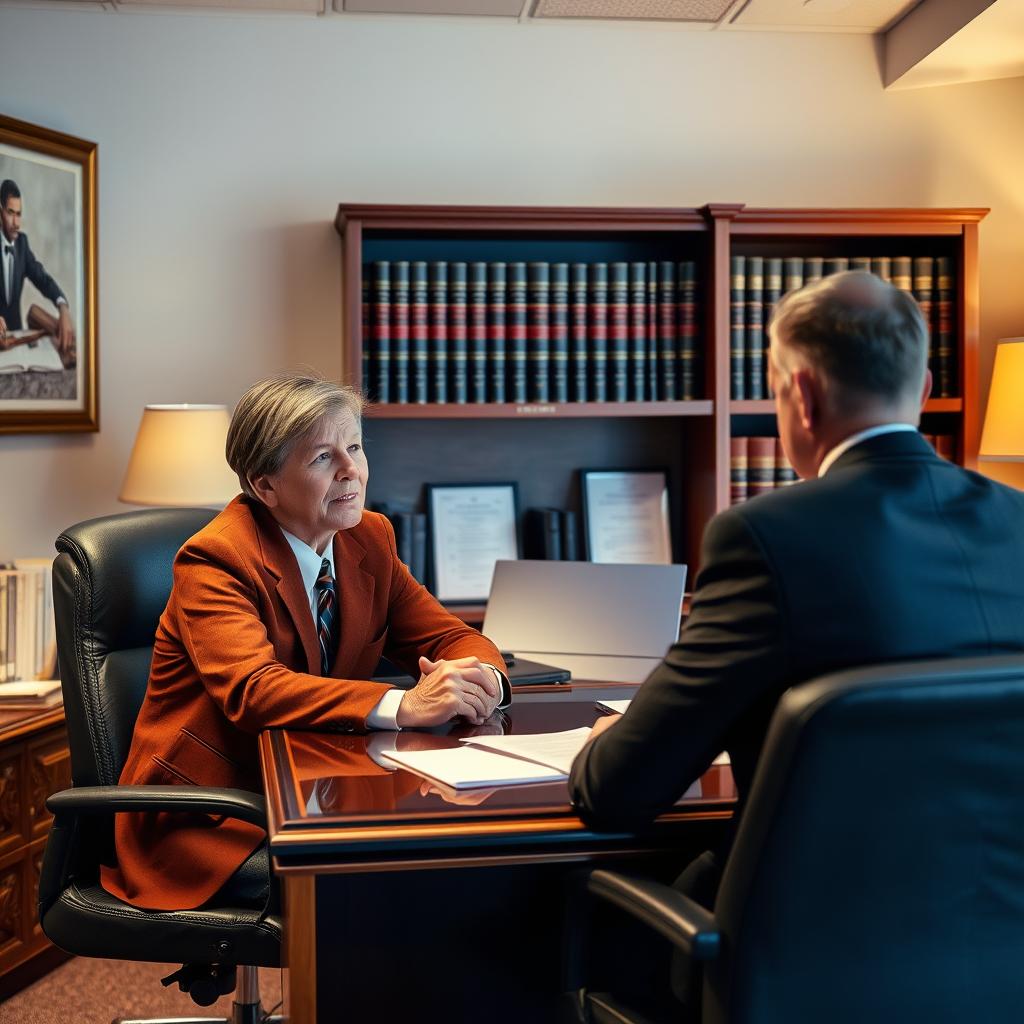
Habitual Offender Lawyer Baltimore
You need a Habitual Offender Lawyer Baltimore if you face a habitual offender designation in Maryland. This label is a civil finding that can lead to a lengthy license revocation. Law Offices Of SRIS, P.C. —Advocacy Without Borders. defends against these administrative actions in Baltimore. We challenge the MVA’s evidence and procedural errors to protect your driving privileges. (Confirmed by SRIS, P.C.)
Statutory Definition of a Habitual Offender in Maryland
Maryland Transportation Article §16-101 defines a habitual offender as a person convicted of specific combinations of major traffic offenses within a five-year period. The Motor Vehicle Administration (MVA) makes this civil determination, not a criminal court. A habitual offender finding results in a mandatory license revocation for a set term. You need a Habitual Offender Lawyer Baltimore to contest this administrative action before the MVA.
The statute outlines point-based and conviction-based systems. Accumulating too many points from violations can trigger a review. More directly, three major convictions within five years mandates the label. Major convictions include DUI, driving on a suspended license, and felony vehicular crimes. The MVA will issue a notice of proposed revocation. You have a right to request a hearing to contest this finding.
This is a separate proceeding from any criminal case. Even if you pled guilty to a traffic offense, the MVA’s action is distinct. The burden is on the MVA to prove you meet the statutory criteria. A skilled attorney can identify flaws in their record-keeping or calculations. Procedural specifics for Baltimore are reviewed during a Consultation by appointment at our Baltimore Location.
What specific convictions trigger the habitual offender status?
Three major moving violations within five years trigger the status. These include DUI, driving while suspended, and reckless driving. A felony involving a motor vehicle also counts as a major violation.
How does the Maryland point system relate to this designation?
Accumulating 8 or more points in two years can lead to a suspension. The habitual offender designation is specifically tied to convictions, not just points. However, multiple point-bearing violations often lead to the major convictions that trigger the label.
Is a habitual offender finding a criminal charge?
No, it is a civil administrative action by the Maryland MVA. The consequence is the revocation of your driving privilege. It is not a criminal penalty like jail time, but it severely impacts your life.
The Insider Procedural Edge in Baltimore
Baltimore City cases are handled by the Maryland Motor Vehicle Administration’s Glen Burnie branch at 6601 Ritchie Highway, Glen Burnie, MD 21062. The MVA’s Administrative Adjudication Division (AAD) conducts hearings for proposed habitual offender revocations. You must request a hearing within 15 days of receiving the MVA’s notice. Missing this deadline results in an automatic revocation. Filing fees for these administrative hearings are set by the MVA and are subject to change.
The hearing is your one chance to present evidence and challenge the MVA’s case. It is a formal proceeding before an administrative law judge. The judge will review your driving record and any evidence you submit. The MVA representative will argue for the revocation. Having an attorney who knows the AAD’s procedures is critical. They understand what arguments resonate with the judges in this forum.
The legal process in baltimore follows specific procedural requirements that affect case timelines and outcomes. Courts in this jurisdiction apply local rules that may differ from neighboring areas. An attorney familiar with baltimore court procedures can identify procedural advantages relevant to your situation. Learn more about Virginia legal services.
Preparing for this hearing involves obtaining and scrutinizing your complete driving record. We look for errors in conviction dates, incorrect offense classifications, or procedural defects in prior cases. Success often hinges on attacking the foundation of the MVA’s proposed action. We ensure all evidence is properly submitted and witnesses are prepared. The goal is to prevent the revocation from being finalized.
What is the timeline from notice to hearing?
You have 15 days from the notice date to request a hearing. The MVA will then schedule the hearing, typically within a few months. The entire process from notice to final order can take several months.
What happens if I miss the deadline to request a hearing?
If you miss the 15-day deadline, the proposed revocation becomes final. Your license will be revoked for the statutory period. Reinstatement after a missed hearing is extremely difficult.
Virginia law establishes specific statutory frameworks that govern these matters. Each case involves unique factual circumstances that require careful legal analysis. SRIS, P.C. attorneys evaluate every relevant factor when developing case strategy for clients in baltimore.
Penalties & Defense Strategies for Habitual Offenders
The most common penalty is a mandatory license revocation for five years. If you are labeled a habitual offender, the MVA must revoke your driving privilege. The revocation period is fixed by statute, not by judicial discretion. Driving during this revocation period is a criminal offense with separate penalties.
| Offense | Penalty | Notes |
|---|---|---|
| Habitual Offender Finding | 5-Year License Revocation | Mandatory minimum period set by MD law. |
| Driving While Revoked as H.O. | Up to 1 Year Jail / $1,000 Fine | Misdemeanor criminal charge under TA §16-303(h). |
| Subsequent H.O. Finding | Additional 5-Year Revocation | Applies if designated again after reinstatement. |
[Insider Insight] Baltimore-area MVA prosecutors rigorously enforce the habitual offender statute. They rely heavily on automated records. The most effective defense is a careful audit of your driving history. We challenge the validity and timing of each alleged predicate conviction. We also examine whether you received proper notice for past suspensions.
Defense strategies focus on the administrative hearing. We argue that convictions are too old to fall within the five-year look-back period. We may show that a prior offense was improperly classified as a “major” violation. In some cases, we can demonstrate you were not properly served with a past suspension order. Success at the hearing blocks the revocation before it starts.
If a revocation is imposed, we explore options for a restricted license. Maryland law is very restrictive for habitual offenders. However, certain work-related or medical hardship permits may be possible under strict conditions. We guide you through the complex reinstatement process after the revocation period ends. This includes satisfying all fines and completing required programs. Learn more about criminal defense representation.
Can I get a restricted license for work?
It is very difficult for a habitual offender to get any driving privilege. Maryland law generally prohibits it during the mandatory revocation. Exceptions are rare and require proving extreme hardship to an administrative judge.
Court procedures in baltimore require proper documentation and adherence to filing deadlines. Missing a deadline or submitting incomplete filings can negatively impact case outcomes. Working with an attorney who handles cases in baltimore courts regularly ensures that procedural requirements are met correctly and on time.
What are the penalties for driving while revoked as a habitual offender?
Driving while revoked under a habitual offender order is a misdemeanor. Penalties can include up to one year in jail and a $1,000 fine. A conviction will also extend your revocation period.
Why Hire SRIS, P.C. for Your Baltimore Habitual Offender Case
Our lead attorney for Maryland traffic matters has over a decade of experience fighting MVA actions. He has represented hundreds of clients in administrative hearings before the MVA’s Adjudication Division. His practice focuses on preventing license suspensions and revocations. He knows the specific forms, procedures, and legal arguments that work in Glen Burnie.
SRIS, P.C. has a dedicated team for Maryland Motor Vehicle Administration cases. We understand this is a civil administrative battle, not a typical criminal trial. Our approach is detail-oriented and procedural. We obtain your complete driving record from the MVA and the courts. We cross-reference every entry to find discrepancies in dates or charges.
We prepare for your hearing as if it were a trial. We gather evidence, identify witnesses, and develop a clear legal argument. Our goal is to show the administrative law judge that the MVA has not met its burden. We challenge the legality of prior stops, the validity of convictions, and the accuracy of records. We fight to keep your license valid from the very first notice.
The timeline for resolving legal matters in baltimore depends on multiple factors including case type, court scheduling, and the positions of all parties involved. SRIS, P.C. keeps clients informed throughout the process and works to move cases forward as efficiently as possible.
Our Baltimore Location provides direct access to counsel familiar with local MVA practices. We offer a Consultation by appointment to review your notice and driving record immediately. Time is critical in these cases. Call us to start building your defense. Learn more about DUI defense services.
Localized FAQs for Habitual Offender Cases in Baltimore
How long does a habitual offender revocation last in Maryland?
A habitual offender revocation in Maryland lasts for five years. This is a mandatory minimum period set by state law. The clock starts when the MVA’s order becomes final.
Can a habitual offender designation be removed from my record?
The designation remains on your MVA record permanently. However, after the revocation period ends, you can apply for reinstatement. A new five-year look-back period begins upon reinstatement.
What is the difference between a suspension and a habitual offender revocation?
A suspension is often for a shorter, discretionary period for specific violations. A habitual offender revocation is a mandatory five-year loss of privilege for repeat major offenses. The legal consequences of driving during each are also different.
Financial implications are often a significant concern in legal proceedings. Virginia courts consider relevant financial factors when making determinations. Proper preparation of financial documentation strengthens your position and supports favorable outcomes in baltimore courts.
Do I need a lawyer for an MVA habitual offender hearing?
Yes, the hearing is a formal legal proceeding. The MVA will have an attorney. An experienced Habitual Offender Lawyer Baltimore levels the field and protects your rights. They know how to challenge the state’s evidence effectively.
How can I check if I am at risk for being declared a habitual offender?
Request your complete driving record from the Maryland MVA. Review it for three major moving violations within a five-year span. A criminal defense representation attorney can analyze this record for you.
Proximity, CTA & Disclaimer
Our team serves clients facing MVA actions in Baltimore. Procedural specifics for Baltimore are reviewed during a Consultation by appointment at our Location. Consultation by appointment. Call 24/7.
Law Offices Of SRIS, P.C.—Advocacy Without Borders.
Phone: [PHONE NUMBER FROM GMB]
Address: [BALTIMORE LOCATION ADDRESS FROM GMB]
Past results do not predict future outcomes.