
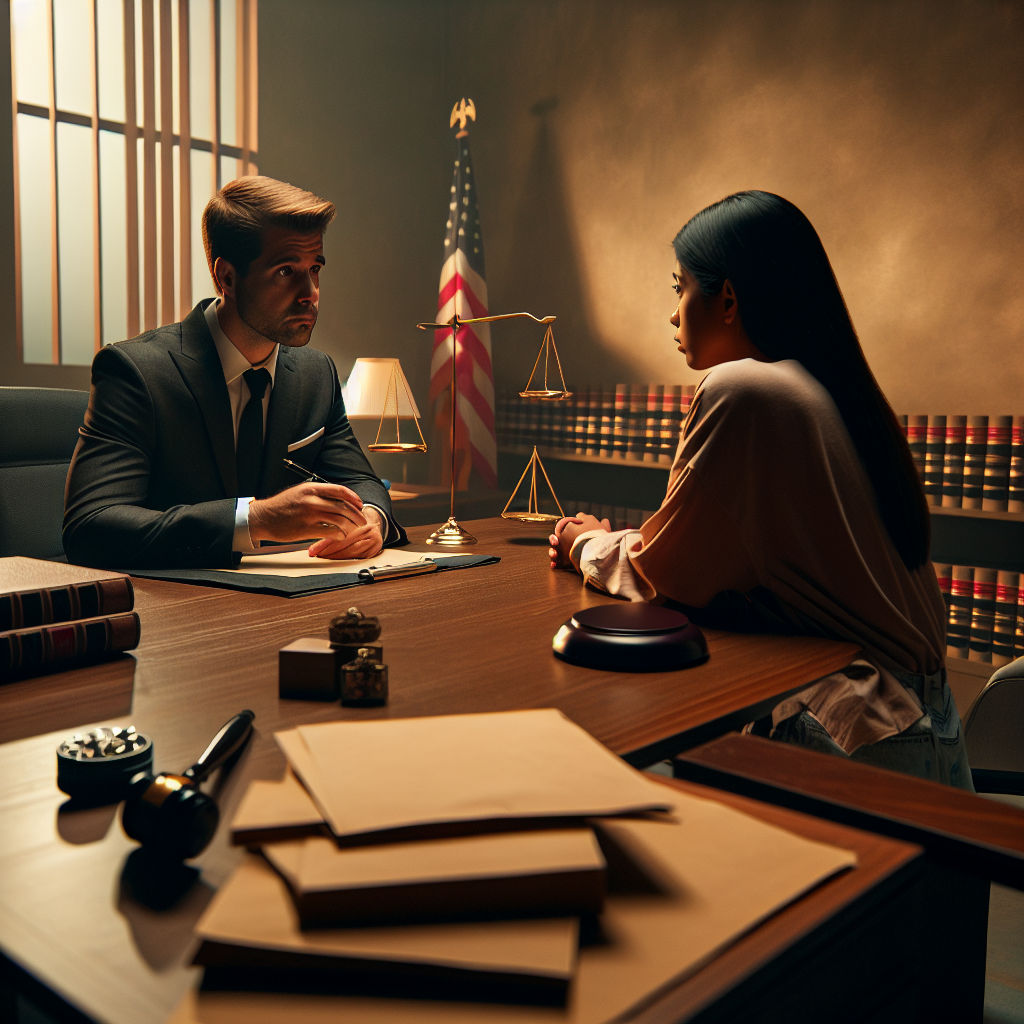
What to Wear to Virginia Traffic Court: Your Guide to a Confident Appearance
You’ve received a traffic ticket in Virginia. It’s a moment that can make your stomach drop. Now, as your court date approaches, you’re probably thinking about the ticket itself, the potential penalties, and maybe even… what on earth do I wear? It might seem like a small detail, but believe me, it’s not. Many of my clients feel this anxiety, wondering if their appearance truly matters.
Let me tell you, it does. At Law Offices Of SRIS, P.C., we understand that every detail contributes to how your case is perceived. You’re not just facing a judge; you’re navigating a human process that values respect and seriousness. Don’t worry, I’m going to walk you through exactly what you need to know about preparing for your Virginia traffic court appearance, starting with the clothes on your back. We’ll make sure you feel clear, prepared, and in control.
I’ve Got a Traffic Ticket. Does What I Wear Really Matter?
Yes, it absolutely does. I know, you’re thinking, “It’s just a traffic ticket, not a felony trial.” But how you present yourself is often the first, and sometimes lasting, impression you make on the judge and prosecutor. This isn’t about fashion; it’s about respect.
Consider this: a courtroom is a formal environment. It’s a place where serious decisions are made, decisions that impact your driving record, your wallet, and potentially your freedom. Showing up dressed respectfully subtly communicates that you take the proceedings, the court’s time, and the charges against you seriously. It tells the judge you respect the institution, and by extension, you are worthy of their consideration. When you walk in looking put-together and thoughtful, it helps create an atmosphere where your arguments can be heard without unnecessary distractions or negative preconceptions.
So, What’s the Official Dress Code for Virginia Traffic Court?
There isn’t a strict, written “official” dress code, but unspoken rules are critical. While no one’s going to send you home for not wearing a tie, there are definite expectations. Think of it as a professional setting where you want to project responsibility and deference to authority. The goal is to blend in, not stand out—unless it’s for your well-prepared legal defense, of course.
For Men:
- Slacks or Khakis: Clean, pressed, and in conservative colors like black, navy, grey, or tan.
- Collared Shirt: A button-down or polo shirt is appropriate. Ensure it’s tucked in.
- Jacket/Blazer (Optional, but Recommended): A sport coat or suit jacket always adds a layer of professionalism.
- Tie (Optional, but Recommended): Can elevate your appearance further.
- Shoes: Dress shoes or clean, conservative loafers. No sneakers or sandals.
- Grooming: Hair neat, facial hair trimmed.
For Women:
- Dress or Skirt: Conservative length (knee-length or longer) and modest neckline.
- Pantsuit or Blouse with Slacks: Professional and well-fitting. Avoid tight clothing.
- Conservative Colors: Darker, neutral tones are best.
- Shoes: Closed-toe shoes with a low heel or flats. Avoid overly high heels, sneakers, or sandals.
- Jewelry/Makeup: Minimal and understated.
- Grooming: Hair neat and pulled back if long.
Blunt Truth: Your clothes won’t change the letter of the law, but they can absolutely change how you’re perceived by the people making decisions about your future. It’s a non-verbal cue that speaks volumes about your respect for the process.
Beyond Clothes: Your Overall Appearance in Traffic Court.
It’s more than just what you wear; it’s your entire presentation. It’s about how you carry yourself, how you interact, and showing that you’re serious about the matter at hand. A respectful demeanor goes hand-in-hand with appropriate attire.
This means being well-groomed, punctual, and attentive. Turn your phone off. Don’t chew gum. When the judge speaks, listen. When you speak, do so clearly and respectfully. These small actions collectively convey your level of respect for the court and the severity of the situation. It shows maturity and a willingness to engage thoughtfully, which can only work in your favor.
- Punctuality: Arrive at least 20-30 minutes early. Seriously. Court dockets are often crowded, and being late is a definite red flag.
- Demeanor: Be polite, calm, and respectful. Address the judge as “Your Honor.”
- Body Language: Sit up straight, maintain eye contact when appropriate, and avoid fidgeting.
- Hygiene: Be clean and well-groomed. No strong perfumes or colognes.
Insider Tip: Arrive early. Seriously. Gives you time to find parking, locate the courtroom, and compose yourself. Last-minute rushing looks disorganized and disrespectful. In my years practicing law, I’ve seen judges react much more favorably to those who demonstrate they value the court’s time.
What NOT to Wear: Common Mistakes to Avoid in Virginia Court.
Certain items send the wrong message, plain and simple. Just as there’s a good way to dress, there are definitely wrong ways. Avoiding these common mistakes can prevent unintended negative perceptions.
Think of it like an important job interview. You wouldn’t show up in ripped jeans and a band t-shirt, would you? Court is even more serious. The goal is to remove any potential visual distractions that might detract from your message or imply a lack of seriousness.
- Casual Wear: Shorts, t-shirts, tank tops, crop tops, athletic wear, sweatpants.
- Revealing Clothing: Anything excessively short, tight, low-cut, or sheer.
- Inappropriate Footwear: Flip-flops, sandals, sneakers, overly casual boots.
- Hats/Headwear: Unless for religious purposes, remove all hats before entering the courtroom.
- Distracting Elements: Very loud patterns, excessive jewelry, clothing with offensive slogans, political statements, or brand logos.
- Ripped/Dirty Clothing: Even if stylish, avoid anything that looks worn, dirty, or torn.
When I advise clients, I often emphasize that this isn’t about personal style; it’s about strategic presentation. The person in the robe is evaluating not just the facts, but the person before them.
Does My Attire Impact My Case Outcome?
While not a direct legal factor, it can subtly influence the human element of justice. Let’s be clear: a judge makes decisions based on the law and the presented evidence. Your perfectly pressed suit won’t absolve you of guilt if the evidence is stacked against you. However, judges are people. They observe. They interpret. A neat, respectful appearance suggests you take the proceedings seriously, which can foster a more favorable impression.
If you’re asking for leniency, or if there’s a gray area in your case, projecting an image of responsibility and respect can quietly work in your favor. It demonstrates that you understand the gravity of the situation and aren’t simply dismissing it. This can be particularly important in traffic court, where judges often have discretion in sentencing or dismissing minor infractions.
Feeling Overwhelmed? We Can Help You Prepare.
Beyond dress code, a knowledgeable attorney prepares you for the entire process, from your appearance to your defense strategy. Getting a traffic ticket is more than just an inconvenience; it can lead to points on your license, increased insurance premiums, and even license suspension. Knowing what to wear is just one piece of the puzzle.
My team and I at Law Offices Of SRIS, P.C. are here to demystify the entire process for you. We help you understand the charges, analyze the evidence, and identify potential defenses. This includes everything from questioning the officer’s account to negotiating for reduced charges or alternative dispositions. You don’t have to face this alone. We’ll ensure you know what to expect, how to behave, and what legal options are available to you, so you can walk into court with confidence, knowing you have a seasoned advocate by your side.
Blunt Truth: Looking the part is step one. Having a solid legal strategy is step two. Both matter. Don’t underestimate the power of a combined approach—respectful appearance coupled with a strong legal defense.
If you’re facing a traffic ticket in Virginia and are unsure about your next steps, reach out to Law Offices Of SRIS, P.C. for a confidential case review. We’re here to guide you.
Ready to discuss your traffic ticket? For our Fairfax, Virginia location, call us directly at 703-636-5417.
You can also find all our other Virginia locations and contact information on our Contact Us page.
Disclaimer: This article is for informational purposes only and does not constitute legal advice. Each case is unique, and past results do not guarantee future outcomes. You should consult with a qualified attorney for advice regarding your individual situation.
Frequently Asked Questions About Traffic Court Appearance
What is considered appropriate attire for women in Virginia traffic court?
For women, appropriate attire generally means conservative dresses or skirts (knee-length or longer), professional pantsuits, or a blouse with dress slacks. Opt for modest necklines and closed-toe shoes with low heels or flats. The goal is to project respect and seriousness without drawing unnecessary attention.
What should men wear to Virginia traffic court?
Men should aim for clean, pressed slacks or khakis, paired with a collared shirt (button-down or polo). A jacket or blazer is highly recommended to enhance professionalism, and a tie can further convey seriousness. Always choose dress shoes or conservative loafers, and ensure good grooming.
Are jeans acceptable in Virginia traffic court?
No, jeans are generally not considered appropriate for Virginia traffic court. Even if clean, they convey a casual demeanor that can be misinterpreted as a lack of respect for the court proceedings. It’s always safer to opt for slacks, khakis, or other professional trousers.
Can I wear shorts or t-shirts to traffic court?
Absolutely not. Shorts and t-shirts are strictly inappropriate for any court appearance, including traffic court. Such attire is seen as highly disrespectful to the judge and the judicial process, and it can negatively impact how seriously your case is taken.
Does my appearance really affect the judge’s decision in a traffic case?
While a judge’s decision is based on law and evidence, your appearance can subtly influence their perception. A respectful, professional appearance shows you take the matter seriously, which might foster a more favorable impression, especially if the judge has any discretion in your case.
Should I wear a suit to traffic court in Virginia?
While not always mandatory, wearing a suit or a suit jacket and tie is highly recommended for men. For women, a pantsuit or a conservative dress/skirt suit offers a similar level of professionalism. It demonstrates the utmost respect for the court and the gravity of the proceedings.
What kind of shoes are appropriate for court?
Closed-toe dress shoes or conservative loafers are appropriate. For women, low-heeled closed-toe shoes or flats are best. Avoid sneakers, flip-flops, sandals, overly casual boots, or anything that might be considered distracting or disrespectful.
Are there any specific colors I should avoid wearing?
It’s generally best to stick to conservative, neutral colors like black, navy, grey, and tan. Avoid overly bright, flashy, or distracting colors and patterns. The goal is to look unassuming and serious, allowing the focus to remain on your case.
What about jewelry and accessories?
Keep jewelry and accessories minimal and understated. Avoid anything large, flashy, or noisy that could be a distraction. The idea is to present a clean, professional appearance without any elements that could detract from your seriousness or disrespect the court.
Besides clothing, what other aspects of my appearance are important?
Beyond clothing, ensure you are well-groomed, punctual, and maintain a respectful demeanor. Turn off your phone, don’t chew gum, and address the judge as “Your Honor.” These non-verbal cues strongly communicate your respect for the court and your seriousness about the matter.